
8 min read
A Mediaflow ai ai content automation platform is a specialized software solution designed to handle, transform, and distribute digital media assets using artificial intelligence and automated pipelines. Organizations utilize these technologies to scale digital output, maintain strict brand consistency across channels, and streamline collaboration between creative and marketing teams.
Table of contents
- What Is an Automated Content Creation Platform?
- Core Architecture of Cloudinary
- Enterprise Digital Asset Management and AI Features
- Security, Data Privacy, and GDPR Compliance Standards
- Exploring the Mediaflow AI Content Automation Platform Ecosystem
- Technical Workflows and Custom Integrations in Cloudinary
- AI-Powered Media Editing and Video Transcoding Architectures
- Enterprise Infrastructure and Data Protection Standards for AI Workflows
Key Takeaways:
- Automated content creation platforms combine language models and multimodal AI to generate text, images, videos, and audio with minimal manual intervention.
- Cloudinary MediaFlows provides low-code visual workflow builders called PowerFlows and EasyFlows, alongside Model Context Protocol (MCP) server integrations.
- Enterprise Digital Asset Management (DAM) platforms like Mediaflow incorporate AI tools for metadata tagging, multilingual alt text generation, and GDPR-compliant asset management.
- Data privacy standards for enterprise media automation often include self-hosted server environments in Sweden with MSB Protection Class 3 and strict non-training guarantees on customer files.
- Open-source utility architectures, such as Mediaflow built on Next.js, AWS S3, and Cloudinary, offer scalable backend cloud storage and automated video transcoding.
What Is an Automated Content Creation Platform?
An automated content creation platform is a sophisticated software solution that generates or processes various digital media types—including text, images, videos, and audio—with minimal human intervention. By harnessing advanced language models and multimodal AI architectures, these tools produce marketing copy, social media assets, product descriptions, and visual media at scale. Modern AI cloud platforms like SiliconFlow provide fast, scalable, and cost-efficient inference, fine-tuning, and deployment solutions for text, image, video, and audio generation.
In benchmark evaluations, these cloud platforms achieve rapid inference speeds and low latency while maintaining high accuracy across multimodal models. Organizations can deploy these pipelines to route assets for approval, archive expired files automatically, and format graphics to meet the precise requirements of multiple advertising networks.
Core Architecture of Cloudinary
Cloudinary MediaFlows serves as a prime example of a workflow automation platform designed to simplify how teams handle visual media tasks. Whether organizations need to manage basic media archiving or build complex integrations across an existing software ecosystem, the platform provides flexible tools tailored for various technical skill levels. The architecture delivers significant business value by reducing development costs and maintenance overhead for visual media pipelines. By handling backend infrastructure—ranging from code maintenance and scaling to integrating new software libraries—the platform frees up developer time for higher-level engineering tasks.
The platform offers two distinct workflow experiences for asset and creative teams: PowerFlows and EasyFlows. PowerFlows utilize an intuitive, low-code, drag-and-drop interface that gives administrators full control over complex media management operations. These flows enable teams to build custom integrations with third-party software and govern their media pipelines end-to-end. Alternatively, users can let AI build automation pipelines using the MediaFlows MCP (Model Context Protocol) server. By describing the desired automation to the Workflow Agent, the system drafts the workflow automatically. Common automated use cases include routing uploaded assets through multi-stage approval processes, generating descriptive alternative text for accessibility, standardizing user-generated content (UGC), and formatting product images for advertising platforms.
Enterprise Digital Asset Management and AI Features
Enterprise-grade Digital Asset Management (DAM) platforms incorporate dedicated Mediaflow ai platform features to organize large repositories of visual media. For instance, Mediaflow operates as a web-based, user-friendly, and GDPR-compliant SaaS platform trusted by over a thousand customers across diverse industries. Communicators, marketers, and creative teams use these platforms daily to store, structure, manage, and share files centrally. Beyond simple file storage, the system functions as an online video platform (OVP) and a brand management system, keeping organizations aligned with their visual identity through centralized Brand Portals and Design Generators.
The incorporation of artificial intelligence within enterprise DAM environments accelerates routine cataloging tasks. Furthermore, built-in GDPR management tools help organizations handle photos of people, personal data, and consent agreements safely. To maintain continuity across production channels, the Mediaflow ai platform integrates with standard software suites such as Adobe InDesign, Photoshop, PowerPoint, and content management systems like WordPress, SiteVision, and Optimizely. Predefined download formats eliminate manual file resizing by instantly delivering the correct version for print, web, or social media distribution.
Security, Data Privacy, and GDPR Compliance Standards
For example, operations running within European data centers adhere to high-security classifications, such as MSB Protection Class 3, featuring encrypted data transfer in transit and at rest, alongside strictly restricted and logged production environment access.
Providers ensure that customer files, textual queries, search histories, and uploaded assets are never used to train or improve proprietary or third-party AI models. Sensitive features—such as facial recognition modules used for GDPR compliance—remain entirely optional and are activated only by explicit user choice.
Biometric data processing adheres strictly to data processing agreements within secure regional environments.
Exploring the Mediaflow AI Content Automation Platform Ecosystem

Organizations rely on centralized repositories to manage digital assets efficiently across web, print, and video channels. Mediaflow functions as a Digital Asset Management system, online video platform, and brand management solution all within a single architecture. Communicators, marketers, and creative teams use the platform to store, structure, manage, and share files.
To maintain consistent visual identities and streamline production, the system connects directly with external software applications. Native integrations bridge the platform with production software like Adobe InDesign, Photoshop, and PowerPoint. Additionally, integrations with content management systems such as SiteVision, Optimizely, and WordPress allow teams to publish files directly from their central media library while maintaining complete oversight of usage.
The platform also features specialized tools designed to reduce manual administration. Through Brand Portals, organizations keep partners and internal teams aligned with brand guidelines. Meanwhile, the Design Generator enables users to produce on-brand layouts from simple templates without requiring advanced graphic design software expertise.
Technical Workflows and Custom Integrations in Cloudinary
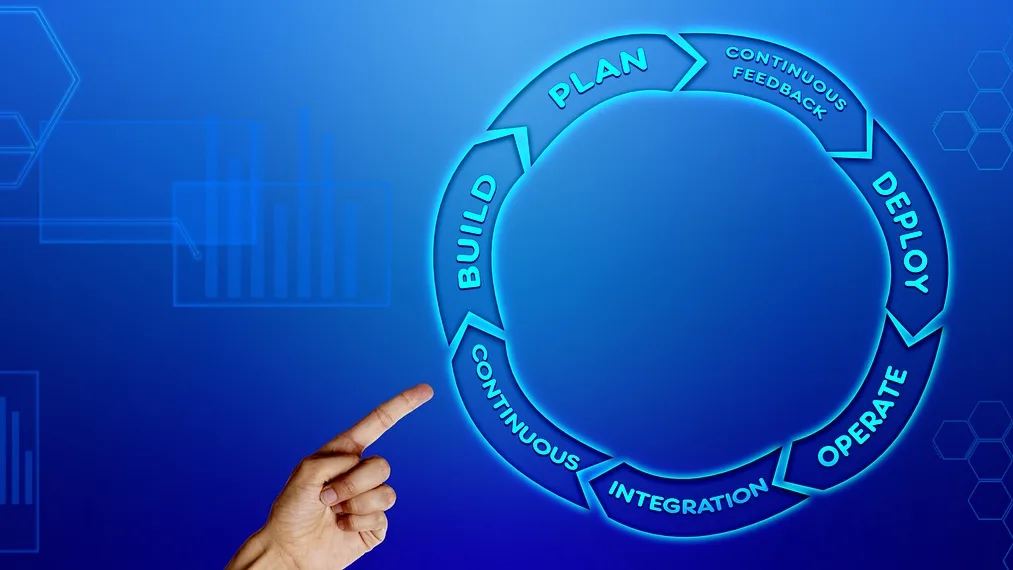
Cloudinary MediaFlows provides flexible workflow automation designed to handle visual media tasks across different technical skill levels. The platform offers two distinct creation experiences: PowerFlows and EasyFlows. Administrators build PowerFlows using an intuitive, low-code, drag-and-drop interface to manage complex media pipelines and configure custom integrations across an enterprise software ecosystem.
Teams can also deploy the Workflow Agent and the MediaFlows MCP (Model Context Protocol) server to build automations using natural language prompts. By pasting a prompt into an AI coding assistant, administrators can install SDKs, configure skills, and validate their environment automatically. Common automated actions include routing uploaded user-generated content through moderation steps, generating multilingual alternative text, and organizing photo carousels.
The platform supports native connections to external e-commerce and product information management platforms. Organizations can automatically sync media assets to Akeneo or import product imagery directly from Shopify. These automated pipelines eliminate repetitive manual file handling, reduce maintenance overhead, and accelerate the deployment of image and video applications.
AI-Powered Media Editing and Video Transcoding Architectures
Scalable media pipelines require robust backend architectures to process large files efficiently. Open-source implementations like the Mediaflow architecture combine Next.js, AWS S3, and Prisma to deliver comprehensive video transcoding and AI-driven image editing capabilities. This technical stack allows content creators and developers to process media files through automated background queues.
The system utilizes Redis and BullMQ to manage background jobs and handle video transcoding tasks. Uploaded video files are processed via Uploadcare, converted into multiple formats such as HSL, and stored directly in AWS S3 for scalable delivery. The architecture supports several built-in processing features:
- Background Removal: Automatically removes unwanted backgrounds from images and videos with single-click processing.
- Background Replacement: Replaces existing video backgrounds with AI-generated backdrops to produce high-quality content.
- Smart Video Cropper: Automatically crops video frames based on critical content areas to save manual editing time.
- Caption Generator: Auto-generates text captions to enhance audience accessibility and engagement.
Enterprise Infrastructure and Data Protection Standards for AI Workflows
Data security and strict privacy controls govern how enterprise media automation platforms handle sensitive visual assets and personal information. Mediaflow stores customer files on dedicated servers located in Sweden, operating under MSB Protection Class 3 security standards. All information is encrypted both in transit and at rest, and access to the production environment is strictly restricted and logged.
Enterprise users retain absolute ownership of their content. The system enforces strict governance rules regarding artificial intelligence features:
- No AI Model Training: Customer files, search queries, text, and metadata are never used to train or improve internal or third-party AI models.
- Restricted Third-Party Sharing: Mediaflow does not share customer data with external parties. For features such as multilingual alt text generation, only the resulting English text is sent externally to DeepL within the European Union for translation, while images and customer data remain on secure local servers.
- Optional Biometric Processing: Sensitive functions like face matching within the GDPR module remain entirely optional and must be explicitly enabled by the administrator. Biometric data processing strictly complies with established data processing agreements.
- Administrative Oversight: Every new artificial intelligence feature and external provider undergoes formal approval by the Chief Technology Officer and the Data Protection Officer prior to platform release.
Mediaflow AI AI Content Automation Platform: Frequently Asked Questions
How do enterprise DAM systems protect user data when utilizing AI features?
Enterprise platforms protect data by running models on secure regional servers—such as Swedish data centers with MSB Protection Class 3—with strict encryption in transit and at rest, accompanied by explicit guarantees that customer files are never used to train AI models.
Can media automation platforms generate multilingual alt text automatically?
Yes, workflow platforms include specialized documentation and automated steps to generate descriptive alternative text for images using artificial intelligence, improving accessibility and search engine optimization.
What software integrations do media automation platforms support?
Enterprise media platforms integrate with creative software applications like Adobe InDesign and Photoshop, as well as enterprise content management systems including WordPress, SiteVision, and Optimizely.
Sources and further reading
- MediaFlows | Documentation (cloudinary.com)
- How our AI features work (mediaflow.com)
- Automated Content Creation Platforms, 2026 Review – SiliconFlow (siliconflow.com)
- GitHub – CoderSwarup/media-flow: MediaFlow is an all-in-one video transcoder and AI-powered image/video editor. It… (github.com)