
Introduction:
Here’s the thing about modern education. It’s broken in lots of ways. Teachers are overwhelmed. Parents can’t help their kids with homework. Students fall through cracks. Everyone’s frustrated.
That’s where comes in. If you haven’t heard of it yet, Education.com is basically a massive resource library designed specifically for K-12 learning. We’re talking thousands of worksheets, lesson plans, educational games, and teaching materials. All in one place. All organized so you can actually find what you need.
The platform launched years ago with a simple mission: make quality educational resources accessible to everyone. No gatekeeping. No ridiculous subscription fees for basic materials. has evolved into something more sophisticated than that original idea, but the core mission remains intact.
I’ve watched this platform grow from a niche teacher resource into something that impacts millions of students annually. The stats are impressive. We’re talking hundreds of millions of resources downloaded. Millions of parents and teachers relying on Education.com for daily teaching and learning needs. These numbers reflect real, sustained demand.
What makes Education.com different from competitors? That’s worth exploring because the education technology space is crowded. Everyone claims to be revolutionary. Most aren’t. Education.com has actually earned its reputation through consistency, quality, and genuine usefulness.
What Exactly Is Education.com?
Education.com functions as a comprehensive digital learning platform. Think of it as a combination tool. Resource library, lesson planning system, progress tracking dashboard, all wrapped into one. Teachers and parents sign up. They gain access to an enormous catalog of teaching materials.
The worksheets on are the real foundation. Thousands upon thousands. Math. Reading. Science. Social studies. Every grade level. Every skill level. You can find a worksheet on literally any topic you’re trying to teach. That’s not hyperbole the catalog is genuinely that extensive.
Bu is more than just worksheets. The platform includes interactive games designed to make learning feel less like work. These aren’t your grandfather’s boring computer programs either. Modern game design principles make them actually engaging.
Lesson plans matter too. Teachers using can access complete lesson plans for different subjects and grades. That saves hours of planning time. A teacher can grab a full unit plan and adapt it to their classroom instead of building everything from scratch.
The parent side of gets less attention but serves an important function. Parents need tools to support learning at home. Monitoring progress. Understanding what their kids are learning. Having conversations about academics. helps with all that.
Core Features That Actually Work
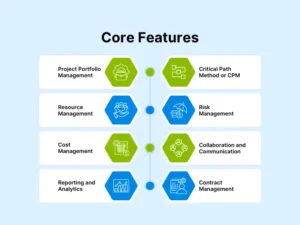
Let’s talk about what Education.com actually delivers day to day.
The worksheet generator is genuinely useful. You pick a topic. Pick a grade level. Pick a format. generates worksheets in seconds. Customize them further if you want. Print them. Assign them digitally. The flexibility beats manually creating everything yourself.
The learning games deserve real credit here. Most educational games are stale. Repetitive. Boring enough to make kids groan. Education.com’s games actually engage kids because they’re well-designed. Good graphics. Appropriate difficulty curves. Rewards and progress tracking that feel meaningful rather than patronizing.
Progress tracking on Education.com helps teachers see what’s working and what isn’t. Students take assessments. Data gets collected. Teachers view dashboards showing which concepts kids have mastered and which need more attention. This data-driven approach beats guessing based on classroom vibes.
The lesson planning toolkit inside lets teachers build comprehensive plans using the platform’s resources. You’re not searching Google for random materials. You’re working within an ecosystem where everything connects. Lesson plans link to worksheets. Worksheets link to games. Games generate data on progress. It’s cohesive.
Differentiation tools matter for inclusive classrooms. lets teachers modify difficulty levels and adapt content for different learners. The kid struggling with multiplication can get different resources than the kid who’s already mastered it. That flexibility addresses real classroom challenges.
How Teachers Actually Use Education.com
Real talk teachers are busy. Insanely busy. Planning lessons, grading papers, managing classroom behavior, dealing with administrative stuff. saves time in meaningful ways.
A typical teacher workflow goes something like this. You know you need to teach fractions next week. Instead of spending hours finding resources, you hop on. Search “fractions grade 4.” Boom. Instantly you have lesson plans, worksheets, interactive games, all available. You pick the materials that fit your teaching style and class needs. Done. What used to take hours takes minutes.
The customization keeps Education.com from feeling generic. You’re not just assigning the same materials every single year. You can tweak difficulty. Adjust the focus. Add your own spin. That adaptability matters because every class is different.
Substitute teachers love too. You get called in to cover a class. You don’t know the lesson plans. You log into and grab appropriate materials for the grade and subject. Students stay productive. The regular teacher comes back to a day that wasn’t completely lost. Win-win.
Classroom management connects to usefulness. When kids are engaged with actual interesting activities, behavior problems decrease. The learning games aren’t busywork masquerading as instruction. Kids know the difference. They engage when something’s worthwhile.
Teachers tell similar stories about confidence. Newer teachers especially benefit from structured approach. You don’t need decades of experience to teach effectively when you have quality materials and frameworks to follow.
The Parent Perspective: Helping Kids Thrive
Parents using often describe a sense of relief. They care about their kids’ education. They want to help. But they don’t know how. Or they’re frustrated by their own gaps in knowledge.
Education.com addresses this gap. Parents can access materials aligned with what their kids are learning in school. You know your son is struggling with reading comprehension. Log into. Find comprehension exercises at the right level. Work through them together. Suddenly you’re actually helping instead of just worrying.
The platform’s transparency helps parent-teacher communication too. When you can see what’s being taught and access similar materials, you understand what your kids are learning better. That knowledge translates into smarter conversations with teachers and more informed support at home.
Summer learning loss is real. Kids forget skills over breaks. Education.com helps mitigate this. Parents assign summer assignments from the platform. Kids maintain skills over vacation. No summer slide. Research shows this matters for long-term academic success.
Special needs parents particularly value Education.com’s resources. Finding materials for kids with learning differences is hard. Education.com’s extensive catalog usually has something useful, and the differentiation tools let you modify materials appropriately.
The cost matters too. Compared to hiring tutors or expensive educational services, is affordable. That accessibility expands who gets support beyond just wealthy families. Education equality isn’t achieved yet, but Education.com moves the needle.
Pricing And Accessibility Questions
Education.com offers free access with limited features. That matters for teachers and parents with tight budgets. You can access worksheets and basic features without paying anything.
The premium tier unlocks everything. Full resource access. Advanced customization. Progress tracking. Offline access. The pricing is reasonable less than people expect given the scope of materials and tools. Annual plans offer better value than monthly if you know you’ll use it regularly.
Schools and districts sometimes get special pricing. Bulk licensing for entire schools makes more affordable for larger implementations. Some districts have site licenses, giving every teacher access for basically nothing per person.
The value proposition becomes clearer when you calculate time saved. A teacher spending $60 annually for premium probably saves 50+ hours yearly in planning time alone. That’s worth something. Most teachers would happily pay for that time back.
Free trials let you test before committing. Honestly, this is how you figure out whether fits your specific needs. What works great for elementary math might not be as useful for middle school social studies. Try it. See if it helps.
How Education.com Stacks Against Competitors
The education technology market is crowded. Teachers.com does similar things. Pinterest has tremendous educational content. TpT (Teachers Pay Teachers) connects teachers for custom resources. So why does maintain such strong positioning?
Scope matters. No single competitor offers quite the combination of worksheets, games, lesson plans, and progress tracking that provides. You could piece together solutions from multiple platforms, but combines everything into one ecosystem.
The design is intuitive. Finding stuff on doesn’t require a PhD. Search bar works well. Categories are logical. Navigation feels natural. That might sound basic, but honestly lots of education platforms are confusing messes. respects your time.
Quality control matters too. vets its content. Not every worksheet is perfect, but the overall quality standard is high. That’s different from open platforms where quality varies wildly based on who’s uploading materials.
Teacher communities exist on but aren’t the primary focus. TpT succeeded partly by building community around teacher creators. focuses more on the resources themselves. Different approaches work for different people.
The game library genuinely sets apart. Most platforms have games as an afterthought. invested in making games that actually teach while being genuinely fun. That’s harder than it sounds.
The data side matters for schools especially. You need to track student progress. Know what’s working. Make data-driven decisions. analytics serve that need better than competitors that are primarily resource repositories.
Real Results: Does Education.com Actually Improve Learning?
This is the question that matters. Does using actually help kids learn better?
Research suggests yes, with caveats. Quality of implementation matters hugely. Teachers who thoughtfully integrate Education.com resources see better results than teachers just assigning random worksheets. That’s true for any tool though execution matters more than the tool itself.
Student engagement increases when using materials. This matters because engagement correlates with learning. Kids won’t learn from materials they ignore. games and interactive elements get kids actually interested in the content.
Differentiation leads to better outcomes for diverse learners. When every kid gets materials at their level rather than one-size-fits-all instruction, students learn better. flexibility enables that differentiation.
Teachers report having more time for meaningful instruction instead of wasting time creating basic materials. That time reallocation benefits everyone. Teachers teach better when less frazzled. Students learn from teachers who actually have energy and focus.
The confidence building matters too. Parents who work with materials gain confidence in helping their kids. That confidence translates into better home-school partnerships and more engaged families. Research shows family engagement predicts student success.
Long-term outcomes are harder to measure, but teachers using regularly report that their students perform better on standardized tests and demonstrate stronger skill mastery. Is this cause and effect or selection bias? Probably some of each.
Common Frustrations And Honest Limitations
isn’t perfect. No platform is. Knowing the limitations helps you set realistic expectations.
Some teachers feel overwhelmed by the sheer size of catalog. With so many options, finding exactly what you need can take longer than creating something custom. There’s a learning curve to getting really efficient with the platform.
The mobile experience has room for improvement. Accessing on tablets and phones doesn’t work as smoothly as on computers. Since lots of classrooms are increasingly mobile, this matters.
Offline functionality requires premium membership. For schools with limited internet access, value decreases if you can’t access resources without constant connectivity.
The subject coverage isn’t perfectly balanced. Some topics and grade levels have more resources than others. If you teach specialized subjects, you might find gaps.
Customization options, while extensive, have limits. You can’t completely redesign worksheets you’re working within templates. That’s fine for most uses but feels limiting if you have very specific needs.
Support and community forums could be more active. doesn’t have the vibrant teacher community of some competitors. If you want to connect with other teachers using the platform, options are limited.
The content update cycle could be faster. Educational standards change. New topics become relevant. Education.com adds new content regularly but not always as quickly as teachers would prefer.
Looking Forward: The Future Of Education.com
Education technology continues evolving. Where does head?
Artificial intelligence integration seems inevitable. Imagine using AI to personalize material recommendations based on student performance data. Or AI-powered tutoring features within the platform. The technology exists. Implementation is coming.
Video content appears to be a growth area. More platforms include instructional videos. likely will expand video offerings as production costs decrease and video’s educational value becomes undeniable.
Mobile optimization will probably become a priority. With classrooms increasingly using tablets and mobile devices, Education.com needs to function seamlessly on smaller screens.
Integration with learning management systems like Google Classroom and Canvas seems probable. Teachers want their tools to work together. Seamless integration would make even more valuable for classroom workflows.
International expansion might happen. started primarily US-focused. Global education technology markets represent huge opportunities. Adapting content for different curricula and languages could fuel significant growth.
The social learning aspect might develop further. Current community features are minimal. Building more connection among teachers using the platform could increase engagement and add value through knowledge sharing.
Why Education.com Matters Beyond The Platform
represents something bigger than just resources and tools. It represents the democratization of quality educational materials. Teachers historically created everything themselves or relied on expensive textbook publishers. changed that equation.
The impact on teacher workload reduction has been substantial. Teachers spend less time on busywork and more time on actual instruction. That improvement in working conditions matters for teacher retention and satisfaction.
For families that can’t afford private tutoring, provides quality supplemental support. That equity dimension matters. Not every family has the resources to hire tutors. levels the playing field somewhat.
The platform also represents how technology can genuinely serve education without replacing teachers. doesn’t try to be a replacement teacher. It’s a tool that teachers use to teach better. That’s the right approach to education technology.
FAQ:
Q: Is Education.com actually free or do I need to pay?
offers both free and premium options. The free version includes basic access to worksheets and some materials. Premium membership unlocks full catalog access, advanced customization tools, offline resources, and progress tracking features. Premium costs around $60 yearly. Many teachers feel the premium membership is worth the investment given the time it saves.
Q: Can I use Education.com materials with multiple classes or grade levels?
Yes. Your account provides access to resources across all grade levels and subjects included in your membership. Whether you teach one class or multiple grades, you access the same full library. You customize materials for specific classes, and the platform tracks assignments and progress separately by class.
Q: How does Education.com compare to Teachers Pay Teachers?
TpT is primarily a marketplace where teachers buy and sell materials. is a curated platform with owned content. TpT offers more variety and unique teacher-created materials. offers more consistency, organization, and integrated tools like games and progress tracking. Both serve different needs depending on what you’re looking for.
Q: Will Education.com work if my school has limited internet access?
Partially. The free version requires internet access. Premium members can download resources for offline use, but this requires planning ahead. If your school has sporadic connectivity, the offline download feature is important to consider.
Q: Can parents actually help their kids with homework using Education.com?
Absolutely. Parents can create accounts separate from teachers. You access age-appropriate materials matching what your kids are learning, work through problems together, and track progress. Many parents use Education.com specifically for homework help and summer learning reinforcement.
Q: What happens to my data if I cancel my Education.com subscription?
Your account data remains accessible for a period after cancellation. Downloaded materials stay on your computer. Any worksheets you’ve customized stay in your account. However, you lose access to the live platform and its features. It’s wise to download important materials before letting a subscription lapse.